
Prohibition Fuels Youth Cannabis Involvement: Another Incident Highlights the Failure of Criminalization in Dublin
In Ballymun, north Dublin, Gardaí recently seized approximately €1,840 worth of cannabis from three juveniles in the Coultry Park area. One youth fled on an e-scooter when approached, driving recklessly in an attempt to evade officers before being stopped alongside two others. A shopping bag containing the cannabis was found nearby, and the e-scooter was also confiscated. The three minors are now being processed under the Garda Youth Diversion Scheme.
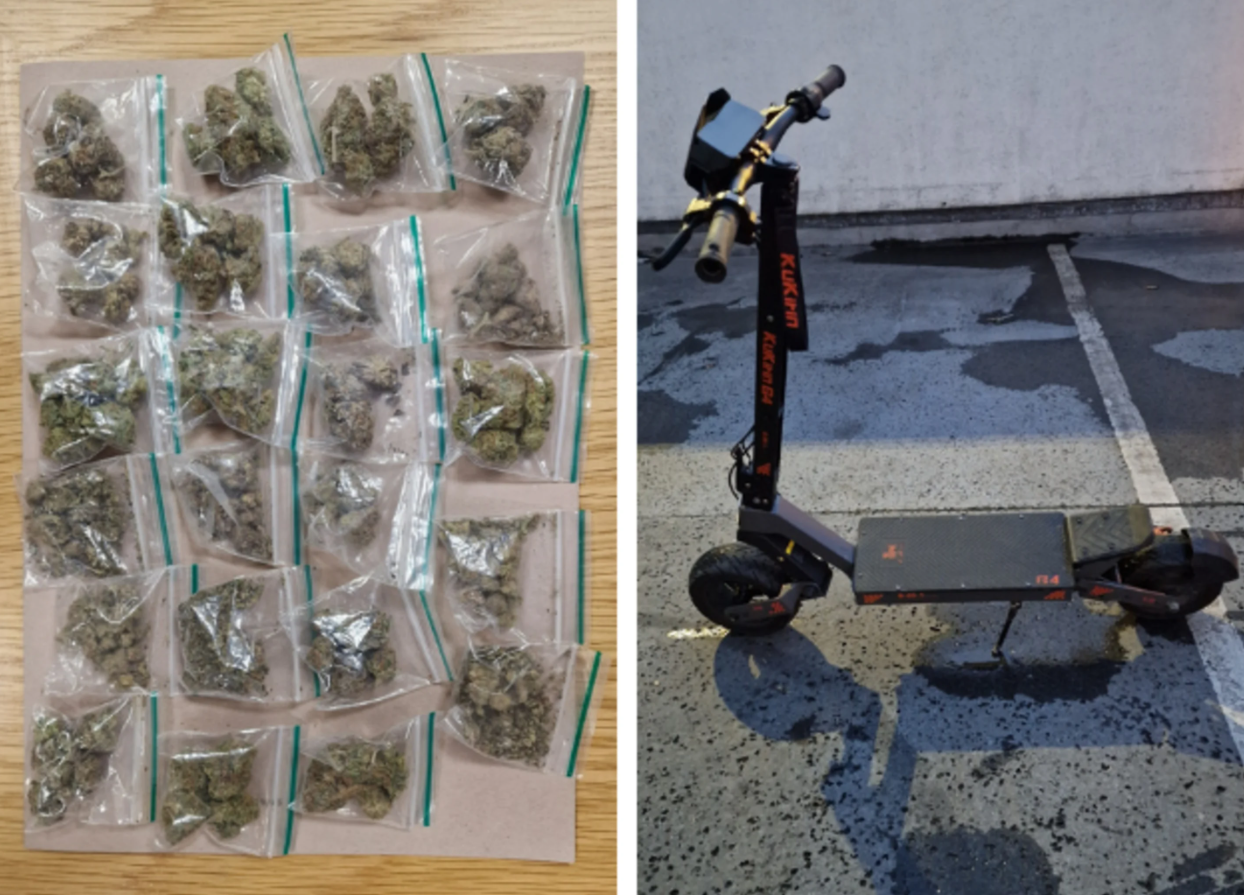
The Scooter and Cannabis that was seized
Incidents like this are not rare as seen in a recent RTE prime time piece titled “Cocaine kids”, but predictable symptoms of cannabis prohibition. By keeping a popular, relatively low-harm substance in the hands of the illegal market, current laws push entrepreneurial young people—often from disadvantaged areas—into risky street-level dealing. Instead of regulated shops with age checks, ID verification, and quality controls, we see kids on e-scooters dodging gardaí with shopping bags of product. This creates unnecessary danger for the youths involved, the community, and the gardaí tasked with enforcement.
In the prime time piece ex garda superintendent Tony Gallagher said he “found it astonishing the amount of cash and drugs being seized”. He also highlighted the dangers of the illicit drug supply citing cocaine as being “stretched out with other substances” leading to increased overdose and even “sudden deaths”. It’s unfortunate though that when Tony admitted that “as long as there is demand for these drugs there will be a continued supply” he believed the demand can be stopped by the law. Even after 42 years with the gardaí Tony still refused to admit prohibition has failed and is the biggest reason for the rise of organized crime gangs in Ireland and the endangerment of vulnerable children
The Real Driver: Cannabis Prohibition, Not the Plant
Cannabis has been consumed for centuries, and in modern Ireland, demand remains steady among adults. Prohibition does not eliminate this demand; it simply hands the entire supply chain to unregulated actors. Young people, facing limited legitimate economic opportunities, step into this void. They take the risks—evading Gardaí, handling unknown-quality product, and operating in public spaces—while criminal networks profit higher up the chain.
This particular case in Ballymun follows a pattern seen repeatedly: proactive patrols spot “suspicious” youth behavior, a chase ensues, minor quantities are seized, and juveniles enter the justice system. Gardaí are doing their job under the current framework, but that framework itself is the problem. Resources spent on these low-level interdictions could be redirected toward serious crime if cannabis were regulated like alcohol or tobacco.
Regulation Would Make This Problem Virtually Non-Existent
Countries and U.S. states that have legalized and regulated cannabis have seen dramatic reductions in street-level dealing by minors. Legal markets:
Provide safe, tested products through licensed retailers.
Enforce strict age restrictions (typically 18 or 21+), keeping it out of the hands of youth.
Generate tax revenue that can fund education, youth programs, and addiction support.
Collapse the black market for cannabis, removing the economic incentive for young people to sell on scooters or in parks.
In regulated environments, incidents of juveniles fleeing police with bags of cannabis largely disappear because the activity is no longer criminalized for adults and is removed from the streets. Youth involvement plummets when legitimate jobs in the industry (cultivation, retail, testing, etc.) replace underground hustling.
Ireland continues to criminalize users and low-level sellers while the substance remains widely available. This approach endangers young lives, clogs the courts with diversion schemes, and fails to address root causes. The youths in Ballymun are not the villains here—they are navigating a flawed policy that creates underground opportunities.
It’s time for evidence-based reform. Regulating cannabis would dismantle the black market that draws in young people, enhance public safety, and treat adults like responsible citizens. Prohibition created this problem. Smart regulation can end it.
The recent events in Coultry Park should serve as a reminder: as long as cannabis remains prohibited, we will keep seeing young people on e-scooters running from the law. Legalization offers a proven path to making these scenes a thing of the past.
While this article mainly focuses on Cannabis prohibition and the need for its regulation I also support the need for conversation and action for regulation of other plants, fungi and substances too.